The text read off it
[page 2]
A collection of such instructions, about which we shall have more to say later, is called a program. There are usually two types of storage. One type, though very fast, is of limited capacity and quite expensive; it is called main storage. What is frequently termed auxiliary storage can hold much more information, but is substantially slower.
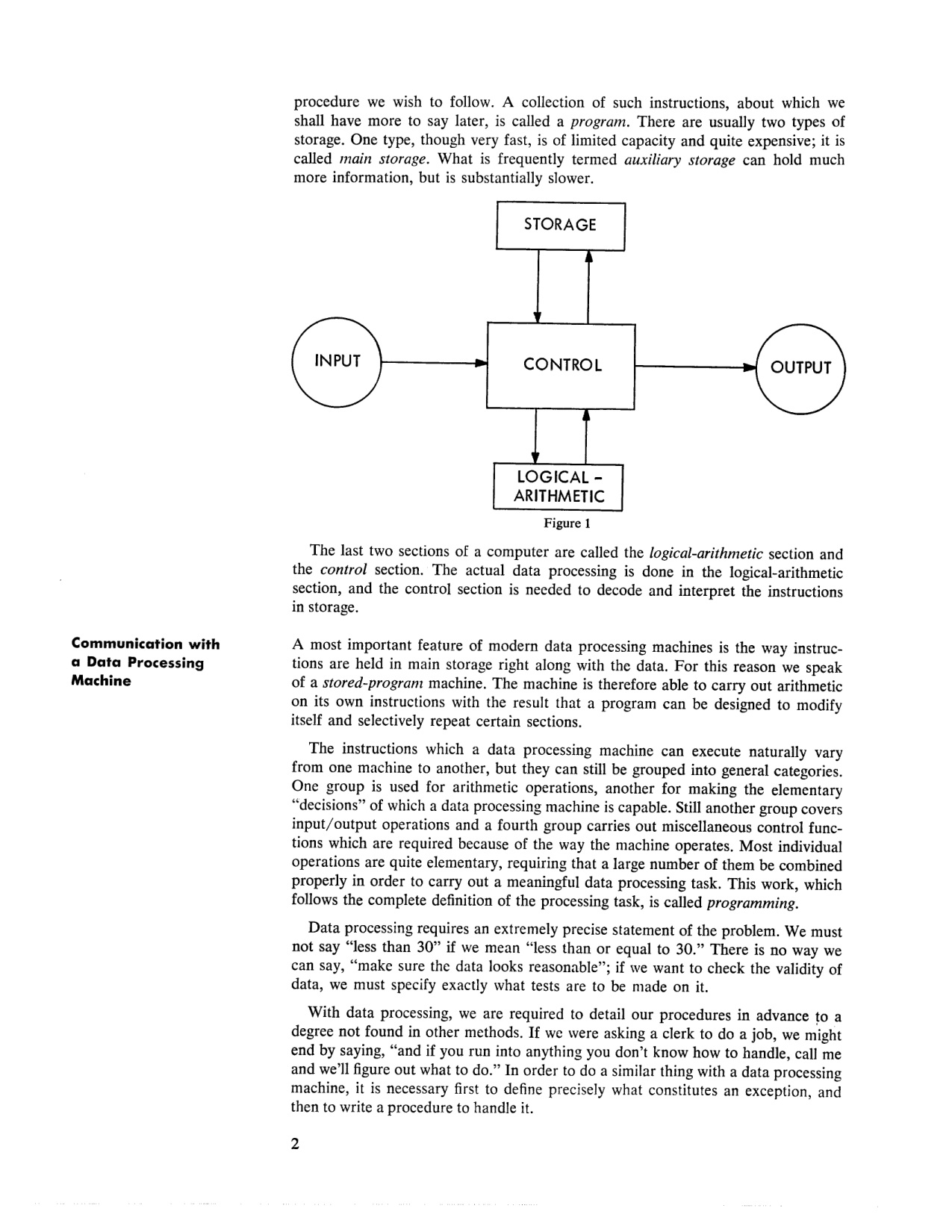 Figure 1. Functional diagram of a data processing system (page 2).
The last two sections of a computer are called the logical-arithmetic section and the control section. The actual data processing is done in the logical-arithmetic section, and the control section is needed to decode and interpret the instructions in storage.
Communication with a Data Processing Machine
A most important feature of modern data processing machines is the way instructions are held in main storage right along with the data. For this reason we speak of a stored-program machine. The machine is therefore able to carry out arithmetic on its own instructions with the result that a program can be designed to modify itself and selectively repeat certain sections.
The instructions which a data processing machine can execute naturally vary from one machine to another, but they can still be grouped into general categories. One group is used for arithmetic operations, another for making the elementary "decisions" of which a data processing machine is capable. Still another group covers input/output operations and a fourth group carries out miscellaneous control functions which are required because of the way the machine operates. Most individual operations are quite elementary, requiring that a large number of them be combined properly in order to carry out a meaningful data processing task. This work, which follows the complete definition of the processing task, is called programming.
Data processing requires an extremely precise statement of the problem. We must not say "less than 30" if we mean "less than or equal to 30." There is no way we can say, "make sure the data looks reasonable"; if we want to check the validity of data, we must specify exactly what tests are to be made on it.
With data processing, we are required to detail our procedures in advance to a degree not found in other methods. If we were asking a clerk to do a job, we might end by saying, "and if you run into anything you don't know how to handle, call me and we'll figure out what to do." In order to do a similar thing with a data processing machine, it is necessary first to define precisely what constitutes an exception, and then to write a procedure to handle it.